
How Traffic Warrants Work in Smith County
Miss a court date on a traffic citation and the court can start process against you. Smith County General Sessions hears county traffic cases. Carthage, Gordonsville, and South Carthage each run their own municipal court for city matters. Begin at the court named on the citation. No court here posts a public warrant name search. A failure to appear reported to the state can also open a Tennessee Safety compliance file, which lives apart from the warrant itself.
General Sessions Traffic Calendar
Smith County schedules traffic court on the first and third Tuesday at 9:00 a.m. The Circuit Court Clerk routes citation numbers, case dates, fees, and fines. The calendar sets the docket. It never confirms a warrant for any one person. So ask the clerk which court controls before paying. Smith County says CourtFeePay requires the citation or case number and a choice between General Sessions and Circuit Court.
Smith County Traffic Warrant Checks
Check with the court that issued your Smith County ticket. Have the citation number, full name, and rough date ready. No local search fields are published, so treat those details as help for a clerk rather than portal requirements.
- For county traffic, contact the Circuit Court Clerk/General Sessions office about the citation, date, and case status.
- For city traffic, call the municipal court or city records contact shown by Carthage, Gordonsville, or South Carthage.
- Call the sheriff's main number only for service or surrender routing; a dedicated warrant line was not located.
- Request an existing citation, warrant, docket, or recall entry under the county Open Records Policy, naming the court and date range.
- If a court-reported FTA affects a license, ask Tennessee Safety about that separate compliance file after court action.
City Traffic Files Follow the Ticket
Tennessee municipal courts commonly hear city traffic violations inside their limits. Carthage lists a police and court contact. Gordonsville posts its own town-court payment instructions. South Carthage's site is under construction. That town directs the public to its city contact for anything court-related. A ticket paid to the wrong court may not satisfy the case, so keep the citation, ask whether it stayed or moved, and know a Smith County address alone does not decide.
Traffic Warrants: What They Show
Smith County publishes no sample traffic-warrant record. Read the citation and court first. From there, check the appearance date and any failure-to-appear or later process entry, and ask the clerk whether a return, payment, or recall was entered on the case.
| Citation number | Local format not published |
|---|---|
| Violation | Offense or ordinance text, if the record makes it public. |
| Court | General Sessions or the city court named on the citation. |
| FTA and process | Any later warrant, capias, summons, or failure-to-appear entry. |
| Payment and status | Ask if the case shows payment, compliance, service, or recall. |
Smith County Has No Pay-and-Lift Form
Smith County and its cities publish no traffic-warrant lookup, no payment-and-lift form, no payment plan, no walk-in release process, and no amnesty day. Gordonsville does post ticket payment methods, including a card charge. Even so, those instructions promise nothing. They do not say every warrant clears by phone. Ask the issuing court what amount, appearance, or filing applies to the citation. No Smith County warrant fee or bond schedule is published. A generic fee chart is not your bill.
Clearing a Smith County Traffic Warrant
Start with the clerk in Smith County. Confirm the case and the required step. Public sources do not set one universal method, so ask an attorney about a contested citation, a surrender, or a request to recall.
- Verify the citation and case number with the issuing court.
- Ask whether the judge requires payment, a new setting, or a motion.
- Use CourtFeePay only after the county clerk confirms the correct payment path.
- Request docket confirmation after compliance and ask whether a Safety release is also needed.
Warning: A ticket receipt does not prove a warrant was recalled or a license hold released. Confirm each status with the office that controls it.
Payment Is Not a Court Order
Smith County links to CourtFeePay for court payments, not warrant status. The clerk's instructions require the right court plus your citation or case number. A receipt alone recalls nothing. Ask if your payment posted. A separate recall or compliance order may still be needed. The county-linked payment portal is the source for that route, and the receipt belongs with any written confirmation.
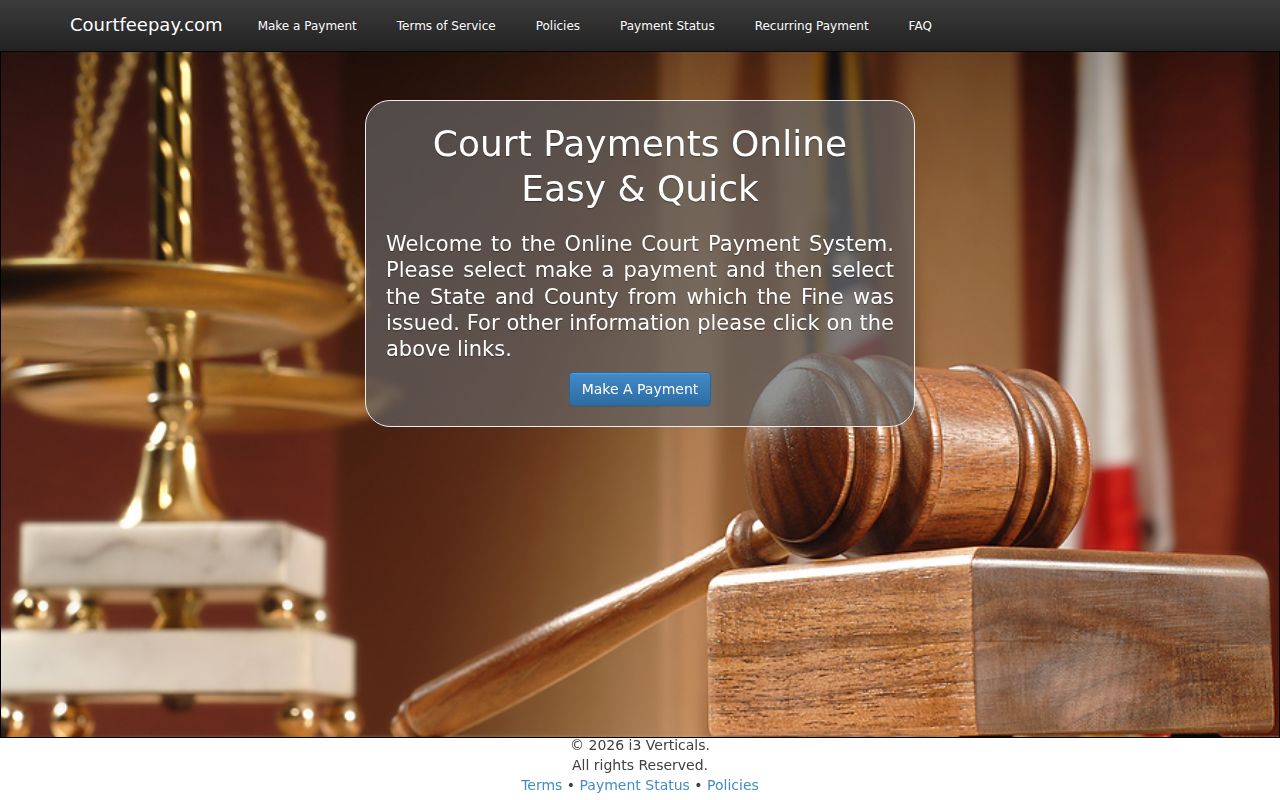
The landing page is for payment and does not show warrant status.
Tennessee Safety's Separate Role
When a court reports a failure to appear, the Tennessee Department of Safety can send a notice and open a separate license-compliance step. The Safety Support article covers satisfying the court and submitting a release. That office does not search for or recall warrants. Ask the issuing clerk about the court record. Then confirm Safety received any required release, using the Safety Support article as your map for that license route.
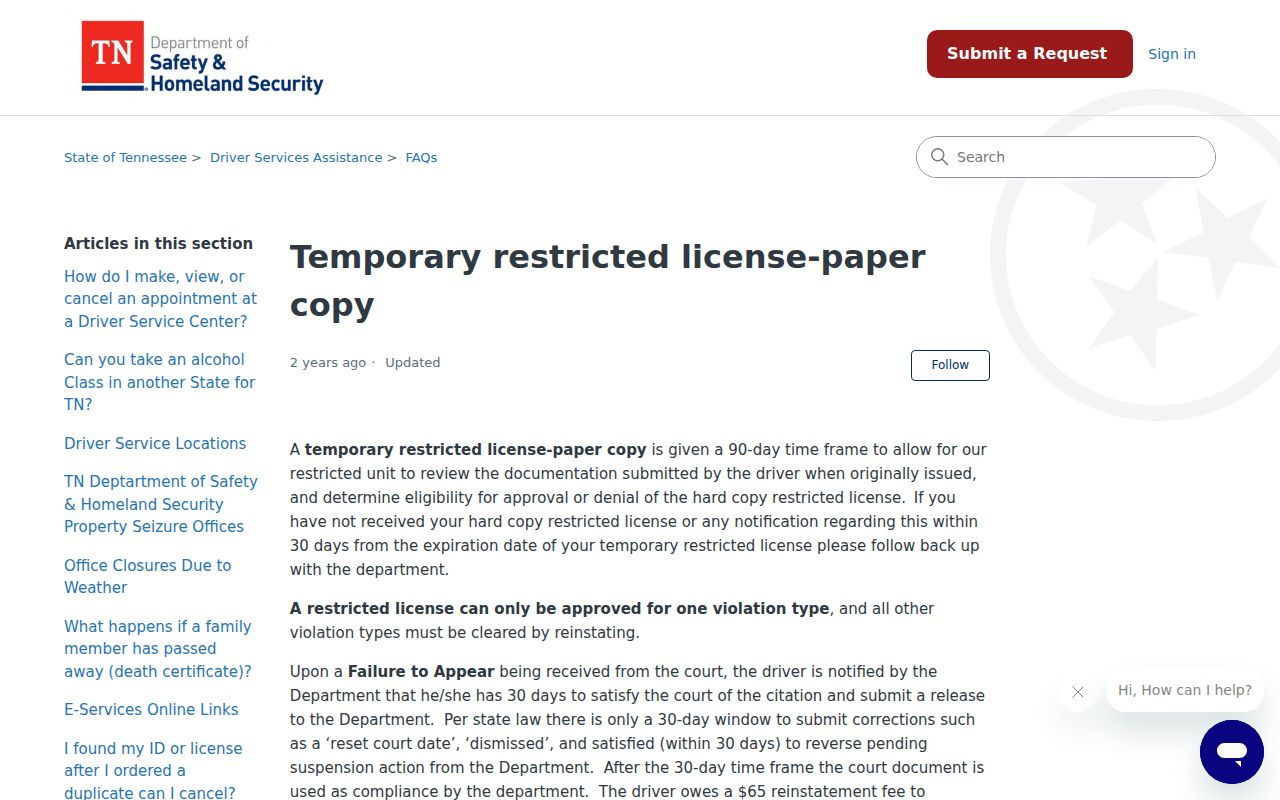
The state source concerns license compliance, not county warrant status.
How Traffic Warrants Trigger License Holds
A citation, a missed court date, a warrant, and a license hold are four different things. One event can leave more than one record behind. The Smith County court handles the process, while Safety keeps its own administrative compliance file.
| Mechanism | What Triggers It | What It Does |
|---|---|---|
| Traffic warrant | Court process after a case event | Follow the issuing court's instructions |
| FTA record | Missed scheduled appearance | May be reported to Tennessee Safety |
| License compliance | State receives court information | Confirm release with Safety separately |