
How Bench Warrants Work in Smith County
A bench warrant is a court order. It follows a missed appearance or another ignored direction from the bench. Smith County posts no warrant form, trigger table, or public active list. Only the court that set the case can give the process name and the next step. Tennessee also uses capias, but that term is narrower. It covers a Rule 9 process after an indictment or presentment, not every missed-court warrant. Ask the clerk what the record says: bench warrant, capias, or summons.
Smith County's Published Court Rhythm
General Sessions criminal court in Smith County meets on Thursdays. Fifth Thursdays are dark. Traffic court sits the first and third Tuesday of each month at 9:00 a.m. A calendar is only rhythm, not proof of a setting or a warrant. Missed a date? Call the Circuit Court Clerk. The clerk identifies the case and the next setting, the county's General Sessions page publishes the schedule and contacts, and the court need not wait for its next regular calendar to act.

A schedule is a navigation aid, not a record of an individual setting.
Bench Warrant Issuance in Smith County
A missed date or a compliance problem can lead the judge to enter process. Smith County posts no trigger table or grace period. A court order, docket entry, or clerk instruction controls each case. The route varies. A warrant here can come from General Sessions, Circuit or Criminal Court, or one of the three city courts. Tennessee offers no single public statewide warrant lookup; the sheriff serves process, and the issuing court keeps the legal record.
Gordonsville Warrant or Summons
Gordonsville's municipal code, Title 3, Chapter 3 lets the town judge issue an arrest warrant for an ordinance violation or a summons instead. It also covers a failure to appear after a summons. This is a city-court route. It is separate from Smith County General Sessions. The code grants local authority, not a person-name lookup.
How Bench and Arrest Warrants Differ
Both orders can put a person in custody. The difference is how they arise. A bench warrant in Smith County usually ties to a pending case or a court obligation, while a Rule 4 arrest warrant follows a complaint and a probable-cause review.
| Feature | Bench Warrant | Arrest Warrant |
|---|---|---|
| Trigger | Missed setting or court compliance issue | Complaint and probable-cause finding |
| Issuing path | Judge's process in the pending case | Judge, magistrate, or clerk under Rule 4 |
| Case link | Often an existing docket or citation | Complaint or affidavit and alleged offense |
| Next step | Ask court about reset, recall, or appearance | Ask court or counsel about surrender and release |
Capias Has a Specific Rule 9 Role
Rule 9 does one specific job. It governs a capias or summons issued after an indictment or presentment. The rule lists the circumstances. They include a person not in custody and a case where bail has been forfeited. This is a named criminal process, not a catch-all label for every Smith County failure to appear. The Tennessee rules index links Rule 9 and Rule 4. Read the process title on the record. Then ask the issuing clerk how that specific order can be addressed, and open the Tennessee Rules of Criminal Procedure index for the governing text of several criminal procedures.
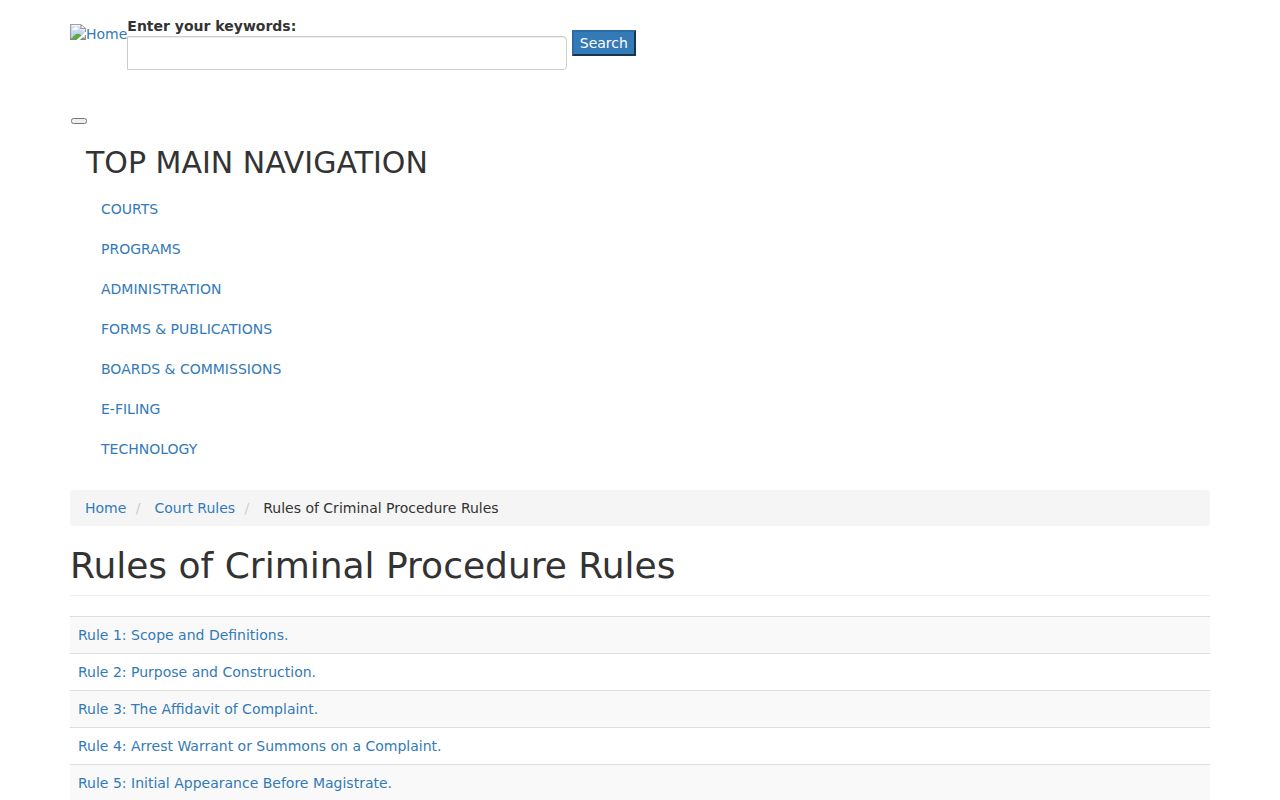
Use the index to check the process name, but the Smith County docket still controls the case.
Clearing a Bench Warrant in Smith County
First, confirm the court, the case number, and the process. Smith County posts no recall form or bond schedule. There is no walk-in clearance counter or posted surrender hours either, so ask the clerk what filing or appearance the judge requires and consider an attorney before acting.
- Ask the Circuit Court Clerk or city clerk to identify the issuing court and the record entry.
- Ask counsel whether a reset, motion, or planned appearance fits the case.
- Call the sheriff at the main public number for service or surrender routing; confirm before traveling.
- After a payment or court appearance, request confirmation that recall or compliance was entered.
Caution: A payment receipt does not prove recall. Ask the issuing court for the docket entry or signed order that confirms the process changed.
Payment Does Not Confirm Recall
Smith County uses CourtFeePay for costs and fines. The Circuit Court Clerk requires a citation or case number to pick the correct court path. That step matters. Paying online does not by itself withdraw a bench warrant, and the site never says it does. So ask three things: did the payment post to the right case, must the judge enter an order, and how do the sheriff or Tennessee Safety get the update? Smith County charges no separate warrant-resolution fee.
Safety Handles Only a Separate FTA
Did a Smith County court report a failure to appear? Tennessee Safety may then hold a related license-compliance record, but only after the court matter is satisfied. That record is not the bench warrant. It cannot recall one. Ask the issuing judge or clerk which order resolves the process, and check with Safety only if a license issue was reported; Tennessee runs no public statewide warrant search.
Smith County Courts That Issue Bench Warrants
Smith County General Sessions handles criminal, traffic, juvenile, and civil work within its local jurisdiction. Circuit and Criminal Court records take a separate clerk route. The municipal courts in Carthage, South Carthage, and Gordonsville handle city ordinance matters and often city traffic cases. The sheriff may serve a warrant. Only the issuing judge controls recall. The AOC clerk finder says to contact the county where the case began, and the Smith County warrant overview maps every local office.