
How Municipal Court Warrants Work
Each of Smith County's three incorporated cities runs its own municipal court: Carthage, South Carthage, and Gordonsville. Tennessee treats these as city courts. They hear local ordinance cases and often traffic matters, and a city judge can issue process tied to that city's case. Keep a municipal file apart from county General Sessions or Circuit Court, because nothing links them. The towns post no name-search tool, no public active warrant roster, and no shared county warrant list. Start with the court printed on the citation.
Carthage Keeps a City Records Route
Carthage gives residents two paths on its official departments page: a police contact and a separate city records department. The town's code and ordinance page works as a searchable law reference, not as a warrant lookup by name. A question about court status may land with the city court clerk, while a copy of some other city record may go through the recorder. The Carthage departments listing helps you pick the right door before you call. Knowing the difference keeps you from treating a code search or a police directory as word on whether a Smith County warrant exists. Neither one answers that question.
Municipal Courts Across Smith County
Smith County's official population table lists three incorporated places: Carthage, South Carthage, and Gordonsville. Each town has its own city court route for municipal matters. The citation and case location decide which clerk you call, not whichever courthouse happens to be closest to you.
| City | Court | What It Handles |
|---|---|---|
| Carthage | Carthage Municipal Court | City ordinance and traffic matters; police and court contacts are listed separately. |
| South Carthage | South Carthage Municipal Court | City ordinance and traffic matters; call the town contact because its site is under construction. |
| Gordonsville | Gordonsville Municipal Court | Town ordinance and traffic matters; local code sets out warrant and summons authority. |
Gordonsville Code Names the Process
Gordonsville's Title 3, Chapter 3 spells out the town judge's authority to issue an arrest warrant for an ordinance violation or to issue a summons instead. The chapter also covers what happens after a failure to appear on a summons. It's the clearest code example among Smith County's three towns. Still, a code describes authority, not a live docket. If you hold a Gordonsville citation, the town court clerk confirms the case, the date, and its current status.
Smith County Municipal Warrant Checks
Start with the city court or records contact for the town named on the ticket. Have the citation number, your full legal name, and an approximate date ready before you dial. None of the Smith County cities publishes a warrant search form, so these are details a clerk will ask for, not fields in a portal.
- For Carthage, use the city court or police contact at City Hall's official departments page.
- For Gordonsville, call the town court route and ask whether the matter is payment, a reset, summons, or warrant.
- For South Carthage, use the town phone or recorder contact and confirm the current court clerk.
- If the case is county criminal or traffic, contact the Circuit Court Clerk/General Sessions office.
- Ask the sheriff only for service or surrender routing; a dedicated warrant extension was not located.
South Carthage Uses Phone Routing
South Carthage's official town landing page is under construction. It still gives a town contact, and the AOC and MTAS directories list city court staff plus a municipal code covering court, warrant, summons, and traffic topics. The town offers no online lookup, no active roster, no payment portal, and no amnesty notice or recall form. That leaves the phone. Call, identify the current clerk, and ask which existing record you can inspect for a Smith County matter.
Municipal Warrants: What They Show
None of the three city courts exposes a public sample record. When one exists, a city file may tie together a citation, the ordinance, a court date, the type of process, and any later return or recall entry. Ask the clerk what is public. Don't assume a field appears in a Smith County city system just because the county shows it.
| Cause or citation | Local format not published |
|---|---|
| Ordinance or offense | City code or traffic matter, if shown in the existing record. |
| Issuing court | Carthage, South Carthage, or Gordonsville municipal court. |
| Appearance and FTA | Ticket date, summons, and any later failure-to-appear entry, if public. |
| Payment or recall | Ask the clerk whether a payment or court order changed the status. |
City and County Files Are Different
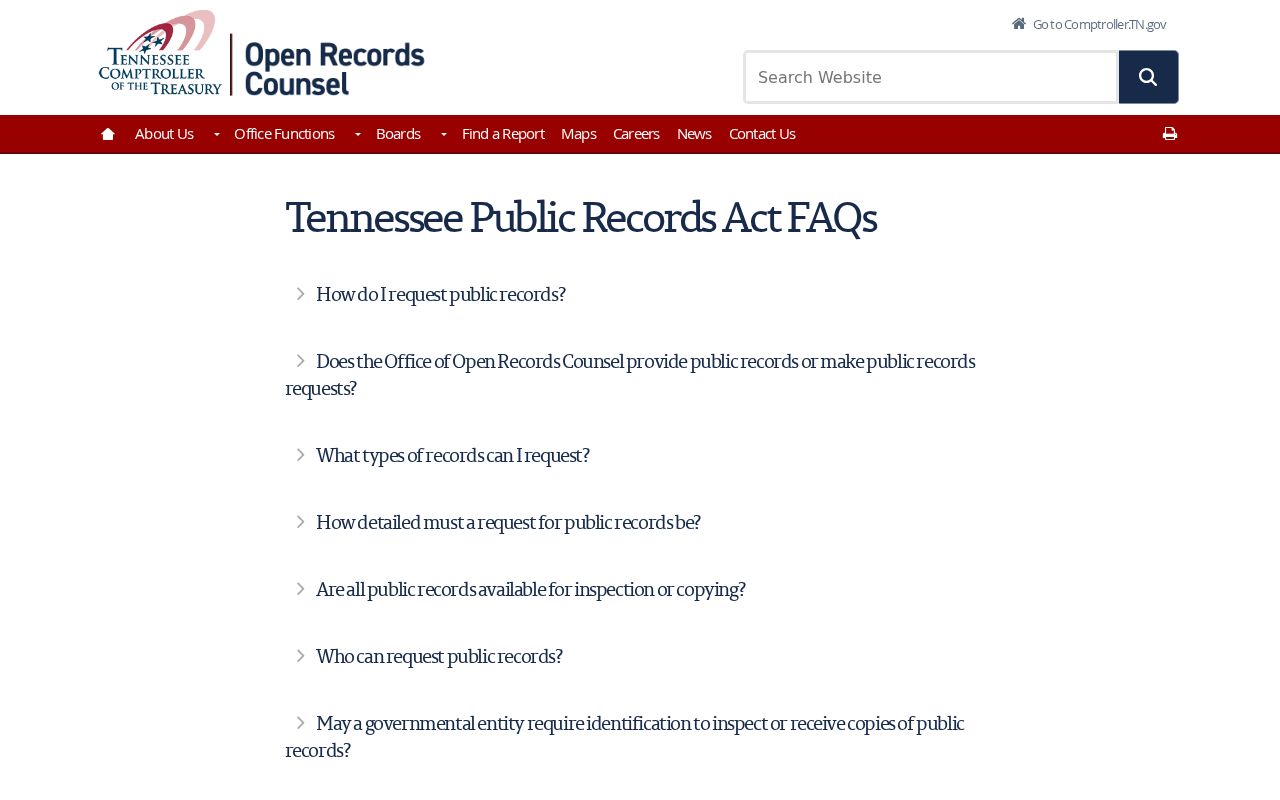
A city court keeps control of an ordinance case unless the record shows a transfer. Smith County General Sessions handles county traffic and criminal matters, and the county sheriff posts no public warrant roster. One channel cannot stand in for every city court. For a written request, name the municipality and the court, then ask for an existing citation, process, docket, or recall record. The county Open Records Policy is not automatically the request form for a city office. The Comptroller's TPRA FAQ explains the limits, including how specific a request must be and why agencies only owe existing records.
State access guidance never promises release of protected court material. The AOC's statewide General Sessions overview helps separate county court business from municipal matters. See how Tennessee General Sessions courts are described before assuming where a Smith County case sits.
A state court overview is not a Smith County or city warrant lookup.
Gordonsville Has Its Own Court Rhythm
Gordonsville Municipal Court meets every other month on the last Monday at 1:00 p.m. at the Civic Center, per the town administration page. That rhythm differs from county General Sessions. Don't lean on it to guess a city case date. For an ordinance citation, call the town court contact and ask when the next setting falls. Paying a ticket under the town's rules does not by itself recall a warrant; that call still belongs to the Smith County court that issued it.
Clearing a Municipal Court Warrant
Ask the city clerk what the judge requires for your exact case. No Smith County town publishes a warrant-resolution form, bond schedule, amnesty day, or universal pay-and-lift process. Gordonsville accepts card, cash, or money order for tickets. That payment detail does not mean payment alone clears every warrant, so confirm with the court.
- Ask which court issued the process and whether a hearing, motion, payment, or reset is needed.
- Consult an attorney about surrender, bond, and the proper recall request.
- Call the sheriff only for service or surrender logistics.
- After any action, request the docket entry or order confirming the court changed the status.
Warning: A payment receipt is not a recall order. Confirm the result with the issuing city court and ask whether another agency needs an update.